
What does efflorescence in bricks look like?
As specialist brick suppliers, we're committed to ensuring every clay brick and brick slip we source meets the highest standards of durability, stability, and consistency in colour, texture, and dimensions. Our extensive industry expertise and carefully cultivated supplier relationships enable us to source premium-quality, reliable, and sustainable brickwork that delivers architectural excellence for the commercial projects we support.
However, there's one natural phenomenon that can affect the visual appearance of certain UK bricks. This process isn't triggered by human activity but by environmental conditions, and there's a strong likelihood you've encountered it whilst out and about. It's known as brick efflorescence. Here’s what you need to know about the issue.
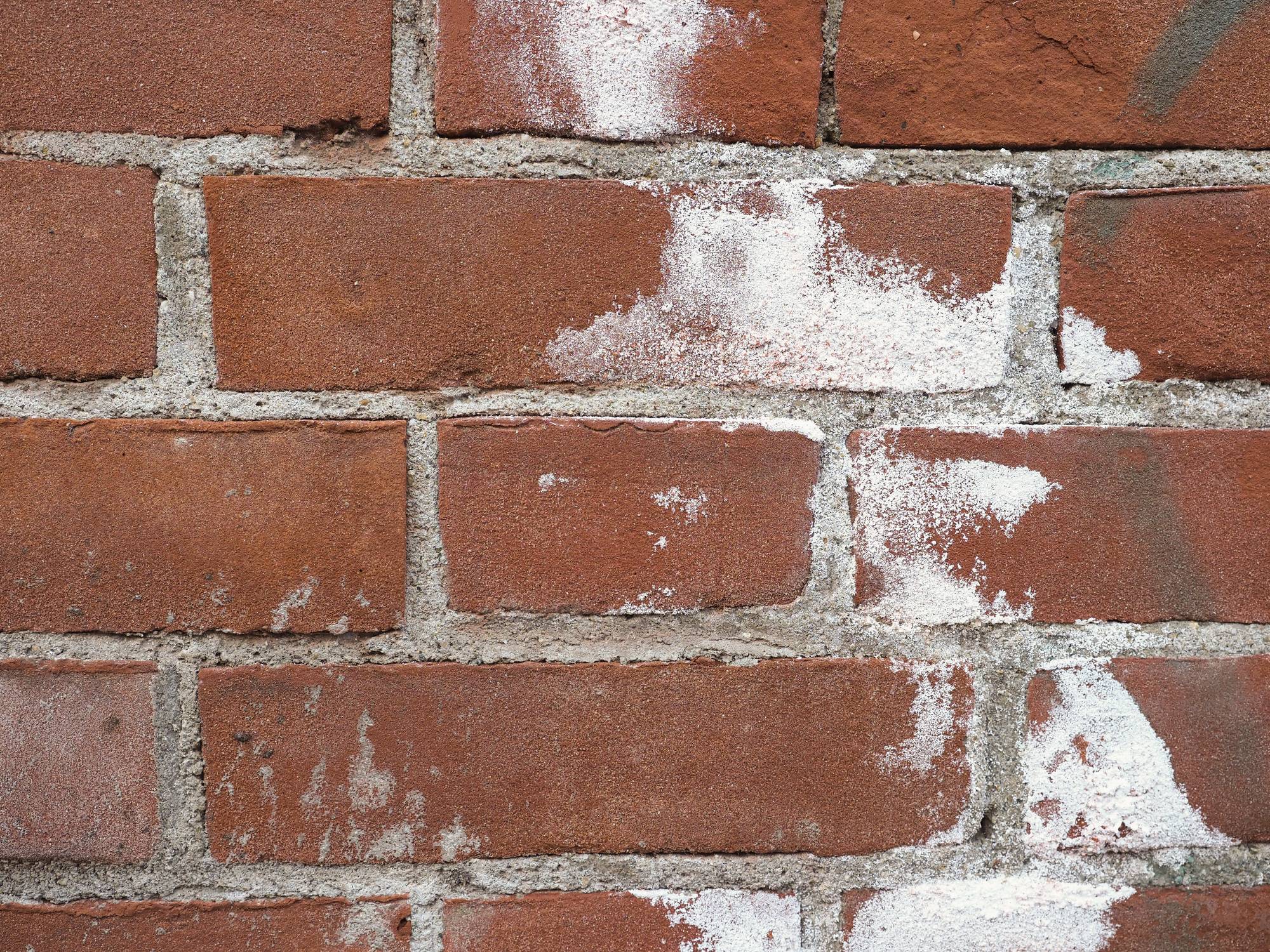
What is Efflorescence?
If you’ve ever noticed white staining, which has seemingly appeared out of nowhere on brick walls, ceilings or floors, that’s brick efflorescence. It can also appear on other building materials like concrete, masonry or stone.
Efflorescence refers to crystalline salt deposits left behind on facing exterior bricks when the water has evaporated from the material’s surface. It can appear as a powdery substance on brickwork and does require care to treat.
What Causes Efflorescence?
Efflorescence on brickwork can manifest both indoors and outdoors, with its intensity and frequency varying significantly across the UK due to fluctuating moisture levels and temperature conditions.
Several environmental factors contribute to an efflorescence problem occurring on brickwork:
- Low temperatures
- Humid conditions
- Condensation build-up
- Rainfall exposure
- Groundwater infiltration or dew formation
- Additional water used during cement trowelling processes
Water, snow, and rainfall have the most significant impact on brick efflorescence levels. Consequently, it's hardly surprising that your property's geographical location can dramatically influence the frequency, severity, and probability of efflorescence developing.
During the winter months or in regions that experience substantial rainfall, the extent of clay brick efflorescence may be considerably heightened. Lower humidity levels can cause water to evaporate before it reaches the material's surface, whilst conversely, higher humidity results in slower evaporation rates.
The three essential conditions required for efflorescence to occur are:
- Soluble salts must be present within the brick material
- Moisture must exist in the environment to dissolve these salts into solution
- Salt migration must occur through the brick structure, with subsequent moisture evaporation causing salt crystallisation.
Identifying Efflorescence on UK Bricks
Whilst efflorescence doesn't necessarily present a structural threat, it significantly impacts how visitors and passersby perceive your exterior brickwork. Therefore, understanding its underlying causes can help you prevent its occurrence initially or, at a minimum, prevent recurring episodes.
Bricks are inherently porous materials, enabling them to absorb soluble salts from their environment. If you require reassurance that your bricks won't be compromised, there's a straightforward test you can conduct to preview potential effects:
- Select a single brick from your supply
- Immerse it completely in distilled water for approximately seven days
- Remove and air-dry the brick for another seven days
- Compare the results alongside an untreated control brick
Should a white, powdery substance appear, the brick has likely succumbed to efflorescence.
It's important to note that numerous facing bricks, engineering bricks, handmade bricks, and various other types contain clay and highly soluble salts. These components can react with inorganic compounds such as calcium sulphate, a well-documented contributor to efflorescence formation.
Brick manufacturers worldwide have identified numerous significant contributing factors to brick efflorescence. During the manufacturing process, comprehensive measures are implemented to minimise the presence of this powdery residue as much as practically possible. However, regardless of preventative steps taken, complete elimination remains impossible to guarantee.
How to Prevent and Remove Brick Efflorescence
Several practical remedies are available to help prevent efflorescence from penetrating your exterior brick walls or brick slip panels.
Prevention Strategies
Hydrophobic sealant application to the brick surface can prevent water absorption and halt moisture migration within the brickwork
Installing physical barriers such as damp-proof courses or capillary breaks between soil and brickwork can significantly reduce salt migration
Removal Methods
In some instances, removing efflorescence can be as straightforward as gentle wet scrubbing of the affected surface. However, if the deposits have reached an insoluble state, removal becomes considerably more challenging.
Advanced removal techniques include:
- Light sandblasting to mechanically remove stubborn deposits
- Mild, diluted acid solutions (provided the brick is thoroughly washed and neutralised with sodium bicarbonate afterwards, when it’s cleaner)
Important: We strongly advise exercising extreme caution before attempting chemical treatments, as improper application can cause permanent damage to brickwork.
Professional Consultation
Ultimately, if you require expert assistance or specialist advice regarding brick efflorescence, we highly recommend consulting with one of our experienced team members who can provide tailored guidance for your specific situation.