
Types of Materials Used in UK Bricks
Brick is one of the oldest, most widely used and reliable building materials. Brick has been used for thousands of years, not just in the UK but also in the whole world.
Several brick structures are still standing and intact, having been built centuries ago. Brick is known for its impeccable durability, resilience and aesthetic value, and today it is arguably more popular than ever. Today, many commercial buildings rely on a diverse range of brick textures, brick colours, and unique bonding patterns to create some truly stunning designs.
UK Bricks and their Classifications
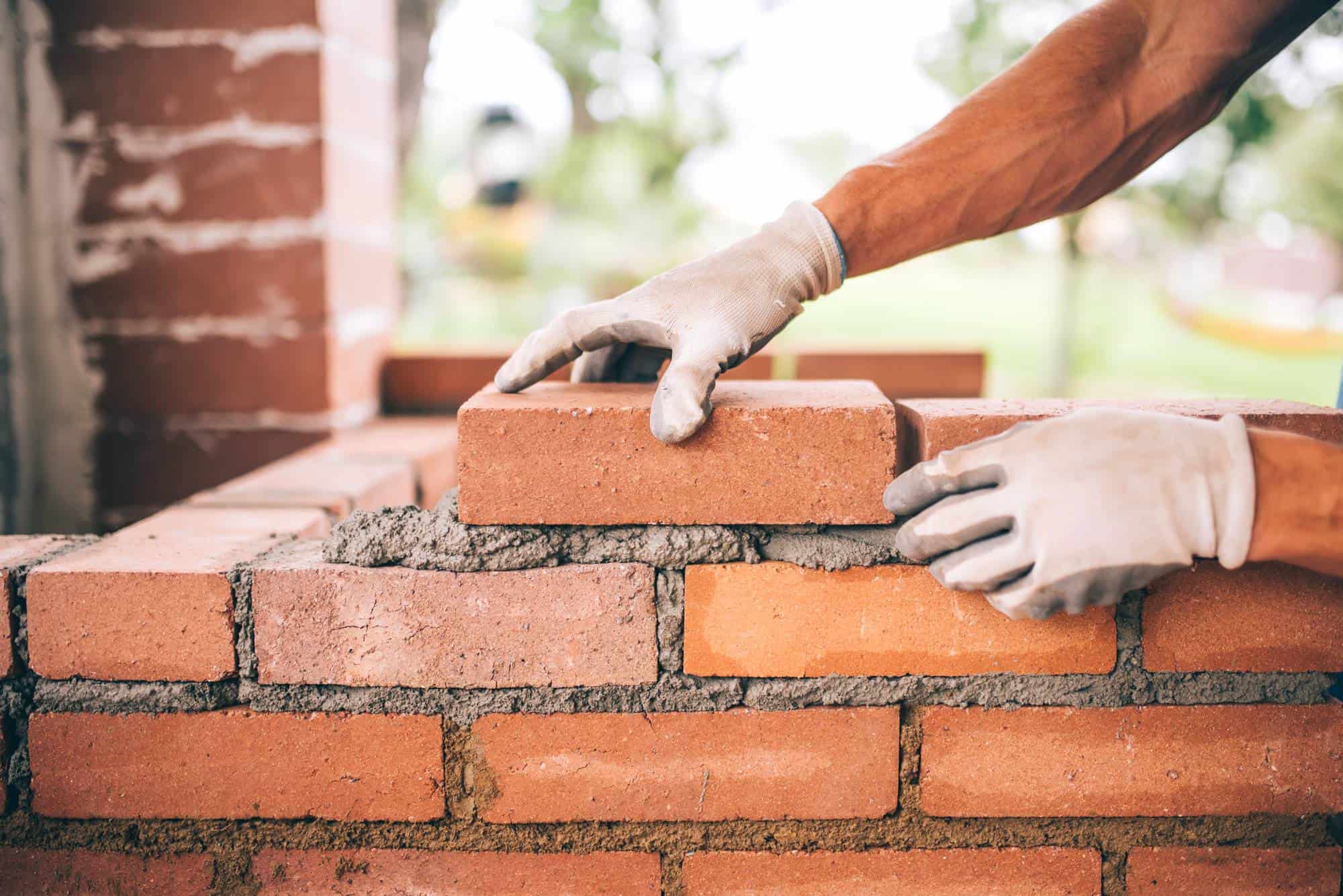
Traditionally, bricks were defined as structural building units made of shaped clay. In recent times, the definition of brick can extend to include any clay-based construction unit joined together with mortar. The standard brick size is 215mm long, 102.5mm wide and 65mm high, laid with a nominal 10mm mortar joint in the UK. But bricks can be further classified into numerous different types.
Given how diverse their uses and applications are, and the materials used to manufacture them, UK bricks are not all created equal. You can look at thousands of different variations of bricks in various categories and sub-categories. While facing bricks or stock bricks might be terms you’re most familiar with, it’s worth looking a little further into what makes bricks a little different. It should help you understand them more and find it easier to differentiate between them, should you need to buy some.
Categories of Bricks
You can divide UK bricks into four primary categories:
How they are used
For example, facing bricks, engineering bricks and so on. Facing bricks are the most commonly used; they are exposed and visible on a building’s exterior wall. Engineering bricks are frequently used in civil engineering projects, like sewage systems, bridges and public pathways. Other examples of brick categories based on usage include waterstruck, wirecut, handmade and stock bricks.
How they are manufactured
Bricks can be classified as either fired (exposed to high heats to harden) or un-fired (having been air-cured instead).
Their shape
Bricks can take unique shapes, other than the standard cuboid you’d expect in the dimensions above. Some common forms include brick slips (thin, non-structural cuts of traditional bricks), long format (Roman) bricks, bullnose, perforated, hollow bricks, and so many more.
Their raw materials
In modern construction, bricks can often be categorised by their core component materials. While some brick manufacturers and suppliers don’t rely on these classifications, the terms are still widely thrown around. We’ve looked at these in a little more detail below.
Brick Materials
Five common types of brick categories based on raw materials are listed below:
- Concrete
- Sand lime
- Burnt clay
- Fly ash clay
- Fire