
Benefits of using Clay Bricks
WHY USE CLAY BRICKS?
Clay bricks are some of the most widely-used building materials. These types of handmade bricks can be used for a variety of domestic and commercial applications; some of the most common uses for clay bricks include walls, roofs, terraces, garden spaces and façades, but it really doesn’t stop there. Clay pavers and bricks can be used for a wide range of purposes due to their incredible properties.
Recent improvements in brick manufacturing have allowed bricks with increased voids to be introduced, with the voids providing comparable performance in their flexural bond strength and water resistance. With many brick manufacturers wanting to reduce the amount of resources used in the process, they adopt a very economical and practical approach to manufacturing clay bricks.
But what makes clay brick so preferable to be used across the building industry? Why use these products in a brick building as opposed to slip bricks? Here we will outline some key clay brick properties, and give some insight into the advantages of using them for your chosen project.

ADVANTAGES OF CLAY BRICKS
When the time comes for planning a build, these types of bricks are superb choices, and here is why.
Durability
These are durable, permanent building materials that will stand the test of time. These bricks won’t corrode, burn, rust or rot, nor does it require any paint containing VOCs (volatile organic compounds) for finishing. The durability of clay bricks is just one of the primary reasons why they have been used in buildings for hundreds of years.
Low Maintenance
Brick buildings are typically installed, either by using precast brick cladding panels or the traditional method of stacking. But one of the key advantages here is that these building products do not need any additional work carried out on them. While clay pavers, as an example, may cost a little more upfront initially, you do not have to worry about service and maintenance costs. Major exterior maintenance work could cost a pretty penny, but clay brickwork is renowned for being exceptionally cost-effective in the long run.
Energy Efficiency
Due to the amazing insulation properties of bricks, they help to improve the energy efficiency of buildings. Brick generally exhibits greater thermal insulation and acoustic insulation than other building materials. Brick thermal insulation can be helped by perforation, and due to brick’s overall density, it provides good sound insulation as well.

Aesthetics
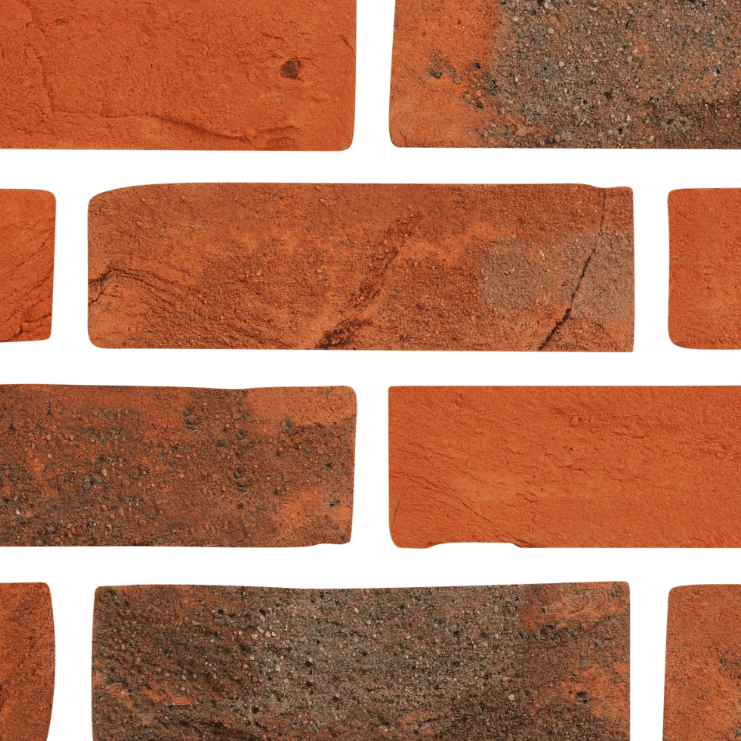
Bricks can come in a variety of colours and thicknesses, as well as with various different surface finishes and shapes. You would be hard-pressed to find colours and designs of brick that weren’t available. Clay brick products can come in colours ranging from deep red to shiny black, with the natural tones providing stark colour contrasts. Modular Clay Products are a brick supplier who have been able to provide long format bricks and glazed bricks which are two prime examples of unique, aesthetically pleasing bricks. You can read more about the advantages of glazed bricks if you need more information.
Sustainable
What’s important to know is that brick is sustainable and it’s fair to say there would be no better natural and safe material for living in. Brick is a contaminant-free material, re-usable and naturally resistant to fire, pests and weathering.
Flexibility
As the previous points have suggested, brick lends itself to be a useful building material. Whether building a single-storey house or a large commercial structure, the effectiveness of clay bricks can’t be denied. Ultimately, using clay bricks for building work means you are using a flexible material, available in a wide range of colours, sizes and with different finishing options.
It’s abundantly clear that clay brick blocks can be a valuable asset to a domestic, commercial or social project.