
How Clay Bricks Are Manufactured in 2026
Can You Paint Brick? Understanding the Basics
Clay bricks are probably the most important of building materials due to their strength and aesthetic appearance. Manufacturers like Modular Clay Products continue to refine traditional techniques with modern precision to meet today's construction requirements.
Here’s how it’s done.
Clay Extraction
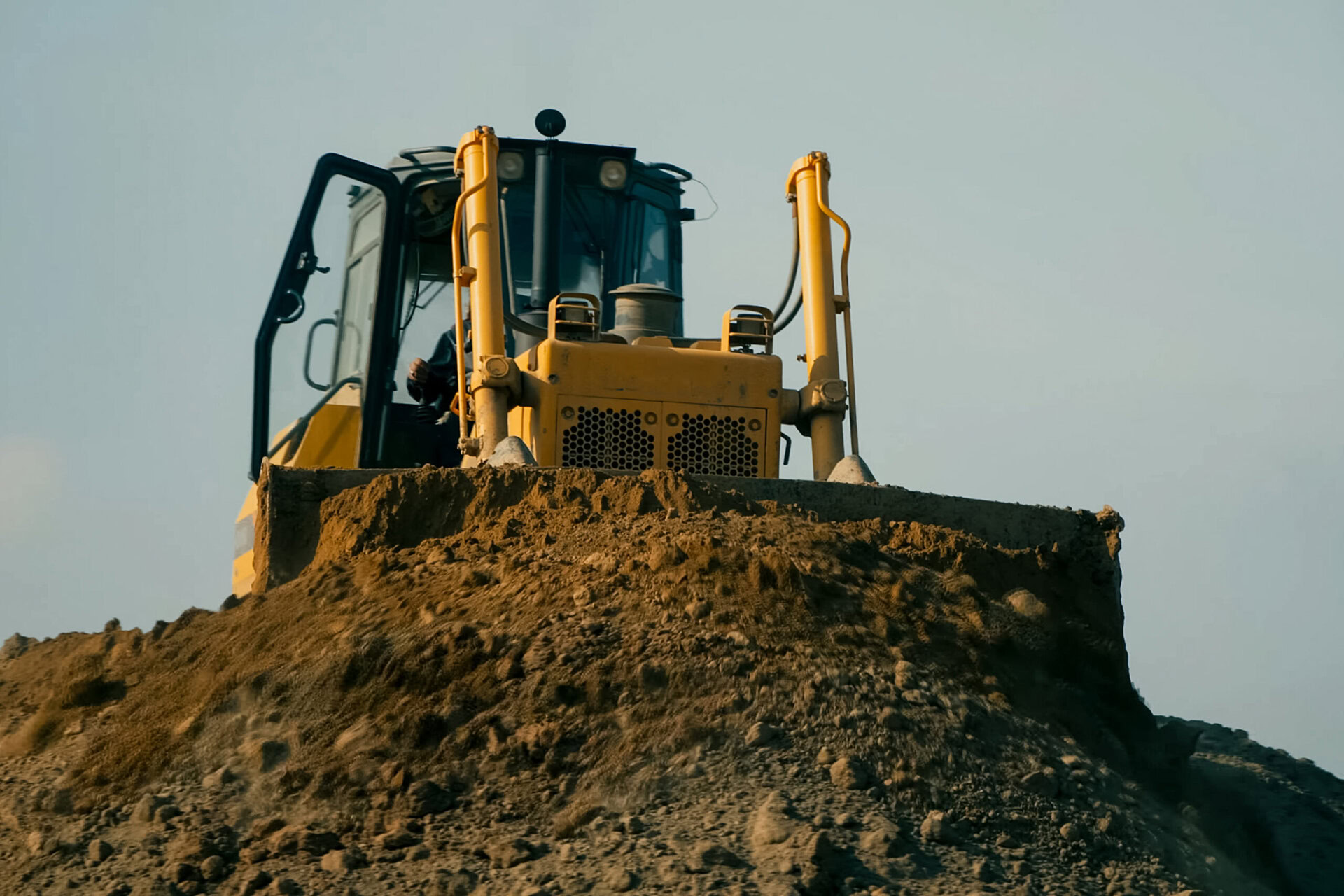
The brickmaking process begins at the quarry, where raw clay is carefully excavated using heavy machinery such as excavators and dumper trucks. Quarry operators select sites with clay deposits suited to brick production, as the mineral composition and colour of the clay directly influence the finished product's appearance and performance.
Once extracted, the clay is transported to stockpiling areas, where it is left to weather for a period of time. This weathering process allows rain, frost, and air to break down the clay's structure naturally, making it easier to work with during later stages.
Stockpiling also enables manufacturers to blend different clay types, ensuring a consistent supply of raw material regardless of seasonal variation at the quarry.
Preparation
Before the clay can be shaped, it must be prepared to achieve the correct texture and workability:
- The stockpiled clay is fed into crushing and grinding machinery, which breaks down any large lumps and removes stones or debris.
- Water is then added to bring the clay to the ideal moisture content, while sand, additives, and sometimes recycled materials are blended in to improve plasticity and control shrinkage during drying and firing.
This stage is crucial because inconsistent preparation can lead to weaknesses or cracking later in the process. Modern facilities use automated mixing systems to maintain precise ratios, ensuring that each and every batch of clay behaves predictably once it reaches the forming stage.
Forming
With the clay properly conditioned, it moves on to forming, where it is shaped into recognisable brick form. There are two principal methods used in the UK: extrusion and pressing.
In extrusion, the clay is forced through a die under pressure, producing a continuous column that is then cut into individual bricks using wire cutters. This method is efficient and well suited to producing perforated or hollow bricks.
Pressing, on the other hand, involves forcing measured amounts of semi-dry clay into moulds under high pressure, which is typically used for stock bricks with a more textured, traditional finish. The choice of method depends on the desired brick type, texture, and intended application.
Drying
Freshly formed bricks contain moisture, which must be removed gradually before firing. If dried too quickly, bricks can crack, warp, or shrink unevenly. To prevent this, bricks are placed in controlled drying chambers where temperature and humidity are carefully regulated over one to two days.
This slow, even drying process stabilises the bricks structurally, preparing them to withstand the intense heat of the kiln without deforming.
Firing
The final and most transformative stage is firing. Here:
- Dried bricks are loaded into a kiln and subjected to temperatures typically ranging from 900°C to 1,200°C.
- This intense heat causes a chemical transformation within the clay, fusing the particles together to create a hard, durable material.
- Firing schedules are carefully managed, with gradual heating and cooling cycles to avoid thermal shock.
- The result is a brick that is not only structurally robust but also resistant to weathering, making it ideal for the UK's climate.
Together, these stages ensure that every brick produced is durable, visually appealing, and fit for purpose, whether for housing, commercial developments, or restoration projects.
Ready to Build Your Expertise?
Contact our technical specialists today for personalised guidance on brick specification, performance requirements, and regulatory compliance for your next project.