
Are Clay Bricks Sustainable? Their Environmental Impact Explained
Can You Paint Brick? Understanding the Basics
The Manufacturing Footprint
The life of a clay brick starts in a kiln and this is where most of their environmental cost lies. That’s because firing clay at temperatures between 900°C and 1,200°C needs a lot of energy, traditionally supplied by coal, gas or oil. This process releases carbon dioxide from burning fuel and also from the clay itself.
A single standard brick can generate roughly 0.5kg of CO2 during production. However, many UK manufacturers have invested in more efficient tunnel kilns and are exploring biomass or hydrogen firing to cut emissions, so the picture is improving.
Raw Material Extraction
Clay is an abundant, naturally occurring material, which is one of brick's sustainability strengths. Unlike some building materials that rely on scarce or heavily processed resources, clay is quarried from local pits across the UK, reducing the need for long-distance importing.
Reputable manufacturers are required to restore quarry sites, often transforming them into wetlands, nature reserves or amenity land, which can leave a positive ecological legacy once brickmaking finishes in that location. This obligation is one of the most important reasons that brick production is generally viewed as more sustainable than materials extracted through more destructive mining processes.
Once extracted, the clay is transported to stockpiling areas, where it is left to weather for a period of time. This weathering process allows rain, frost, and air to break down the clay's structure naturally, making it easier to work with during later stages.
Stockpiling also enables manufacturers to blend different clay types, ensuring a consistent supply of raw material regardless of seasonal variation at the quarry.
Durability and Lifespan
Clay bricks have an impressive longevity. A well-built brick wall can last well over a century, often outlasting the building's original purpose. Bricks are resistant to fire, pests, rot and weathering, meaning fewer repairs and replacements over a building's life.
This durability matters enormously when calculating whole-life carbon, a measure that accounts for a material's impact across construction, use and eventual demolition.
A material with high upfront emissions but a 150-year lifespan can outperform a lower-carbon alternative that needs replacing every 30 to 40 years. Bricks also provide excellent thermal mass, helping buildings retain heat in winter and stay cool in summer, which reduces the energy needed for heating and cooling over decades of use.
Recyclability and Lifespan
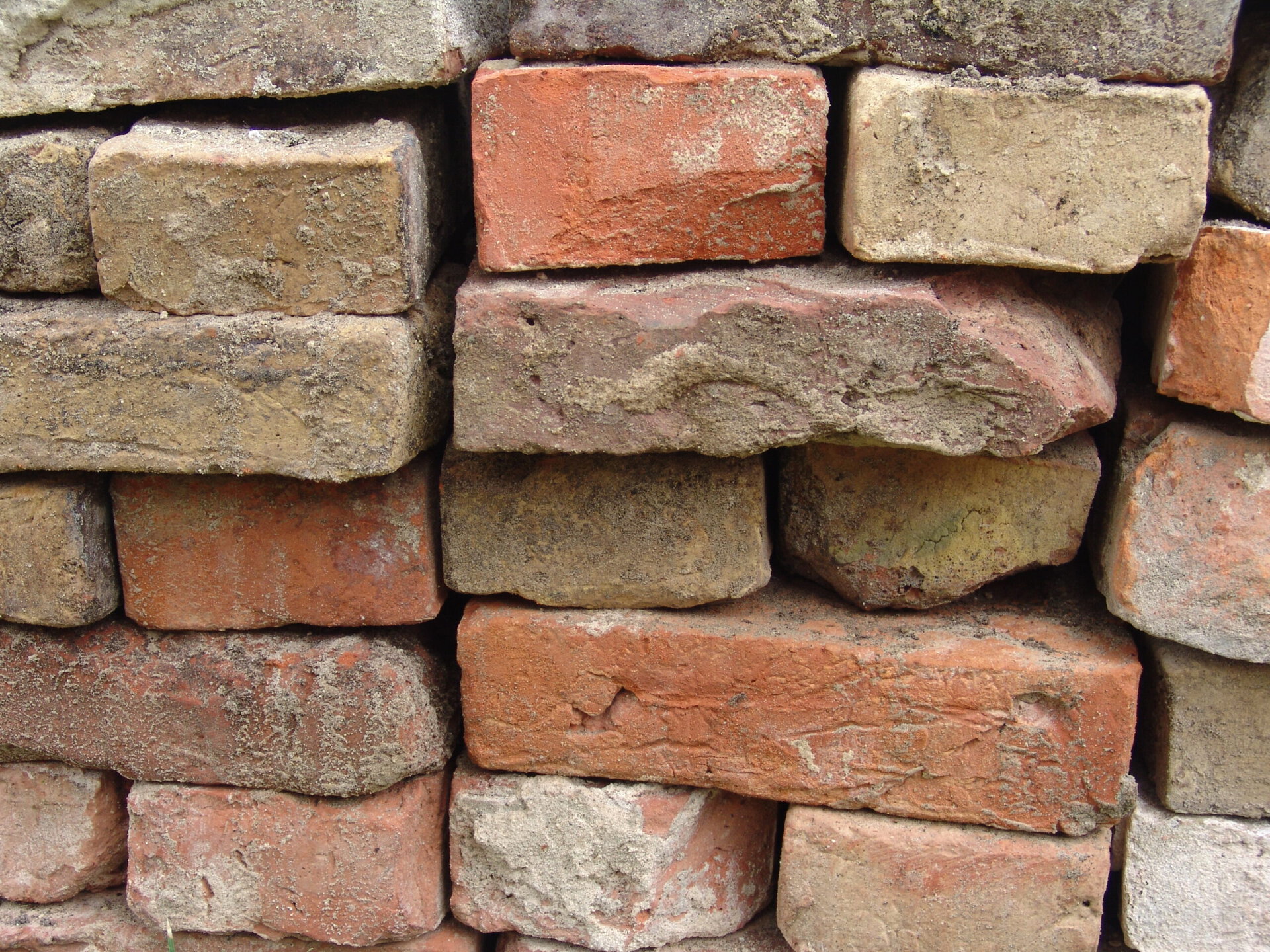
One great thing about clay bricks is that they can be reused after a building's demolition. Whole bricks can be cleaned and reused in a new construction, particularly reclaimed bricks, which are popular for their character and lower embodied carbon compared to newly fired units.
As well as this, broken or unusable bricks can be crushed and repurposed as hardcore, aggregate for road building, or landscaping material. Unlike composite materials that fuse different substances together, brick's composition makes it quite straightforward to separate and process at end of its life, avoiding the contamination issues that plague many modern building products.
Weighing Up the Overall Impact
So, going back to the question asked in this blog’s title: are clay bricks sustainable? The honest answer is that they occupy a middle ground. Production is carbon-intensive, and there's no getting around the energy demands of firing clay at high temperatures.
But when you factor in local sourcing, exceptional durability, thermal performance and strong end-of-life recyclability, bricks compare very well indeed against many alternatives over a full building lifecycle.
The direction of travel is encouraging too, with lower-carbon kiln technologies and greater use of reclaimed brick becoming more common. For UK homeowners and builders, choosing bricks from manufacturers with strong environmental credentials like Modular Clay Products, and prioritising reclaimed bricks where possible, offers a practical way to build sustainably without compromising on brick's proven performance.
Bespoke Brickwork Suppliers UK
Modular Clay Products can determine the best types of bricks that commercial architects can use for upcoming projects or renovations. Our wide range of sturdy and long-lasting bricks makes Modular Clay Products the best option for UK bricks, helping to keep your buildings and structures intact and in good condition for years to come. Contact us to find out what our expertise can bring to your architectural project.