
Brick Patterns: Everything You Need to Know
Can You Paint Brick? Understanding the Basics
The way brick is used in construction is changing. Where uniform rows of red or buff brick once dominated new developments, architects and self-builders alike are now experimenting with pattern, texture and colour to give buildings genuine character. Here's a look at the trends currently shaping brickwork across the UK.
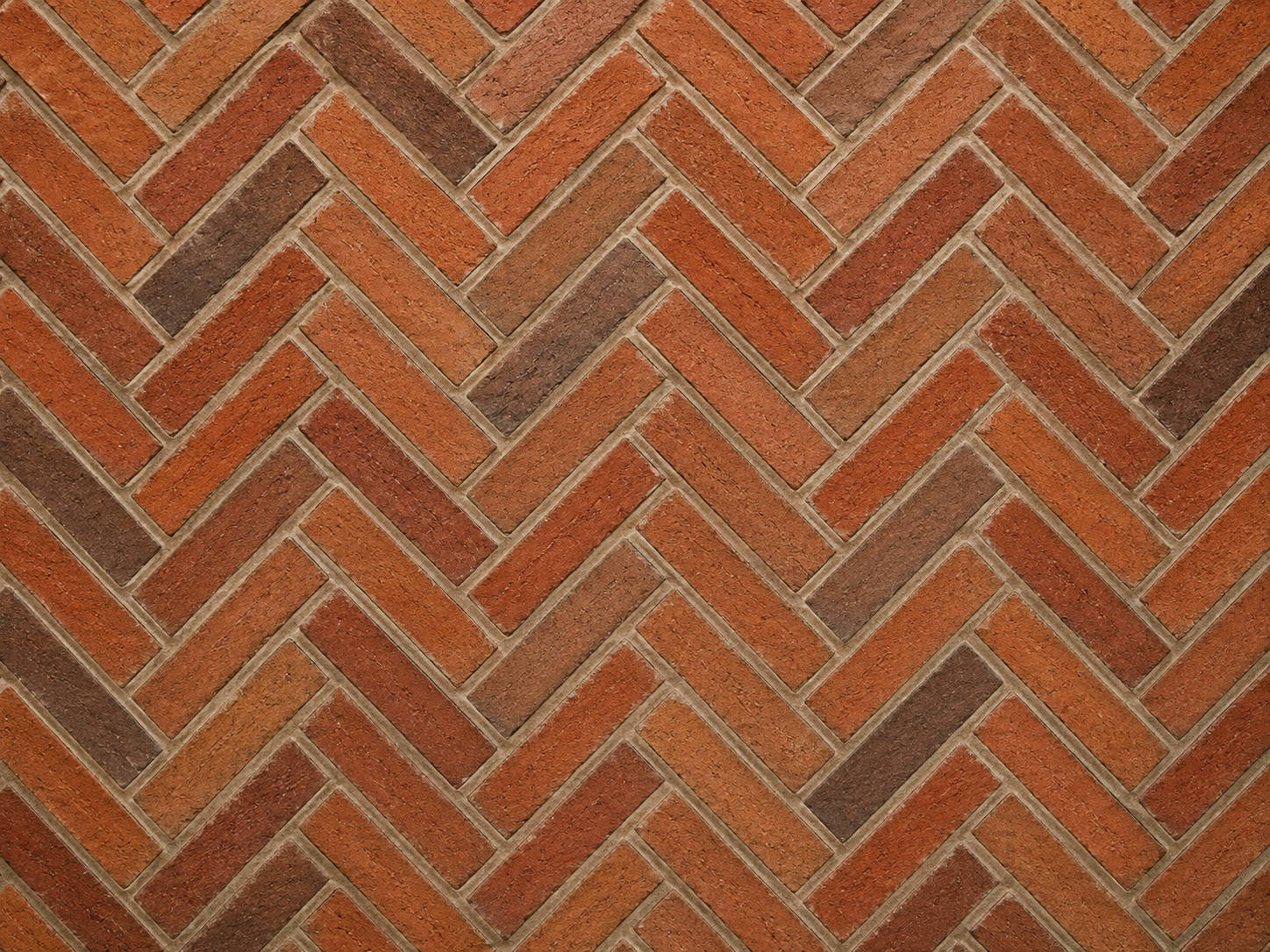
Classic Herringbone
The herringbone pattern has long been associated with Georgian and Victorian properties, but has risen in popularity again. Once reserved for flooring and pathways, it's increasingly appearing on façades, feature walls and porches in contemporary new-builds and extensions.
The zigzag arrangement adds visual movement to what might otherwise be a flat, uninspiring wall, and it pairs particularly well with minimalist architectural styles, where the brickwork becomes the main decorative feature.
The trade-off is cost: herringbone requires more cutting and skilled bricklaying than a standard stretcher bond, so it tends to be reserved for feature areas rather than entire elevations.
Mixed-Material Brickwork
Rather than brick standing alone, many architects are now combining it with timber cladding, render or natural stone to create contrast. This approach allows large elevations to be broken up into distinct sections, giving buildings a layered, bespoke appearance rather than a single uniform surface. It's a popular choice for extensions, where mixing materials can help a new addition sit comfortably alongside an older property while still feeling distinct from it.
Sustainable and Reclaimed Brick Patterns
Sustainability is influencing brickwork trends as much as it is any other part of construction. Reclaimed bricks, often sourced from demolished buildings, are being used to recreate traditional bonds such as Flemish and English bond, giving new-builds a weathered, characterful look while reducing demand for newly manufactured materials.
In addition to the environmental benefits, reclaimed brick provides a warmth and irregularity that's difficult to replicate with factory-fresh materials, which is part of its enduring appeal to self-builders and conservation-minded developers.
Textured and 3D Brick Detailing
Protruding or recessed patterns create shadow lines and a tactile surface. This technique, sometimes called brick relief or sculptural brickwork, is especially popular on entranceways and feature walls, where the interplay of light and shadow adds depth throughout the day. It's a subtle way of demonstrating craftsmanship without resorting to elaborate ornamentation, and it works well alongside otherwise simple, pared-back designs.
Ready to Build Your Expertise?
Contact our technical specialists today for personalised guidance on brick specification, performance requirements, and regulatory compliance for your next project.