
Architectural Trends in Brick in 2026
Can You Paint Brick? Understanding the Basics
In 2026 many architects are moving away from smooth, uniform brick towards more textured finishes, experimenting with pattern and orientation rather than flat façades, and bringing brick into interior spaces. Popular colour choices, including warmer, earthier tones, replacing the greys that dominated the past decade. Here are five of the main trends worth knowing about.
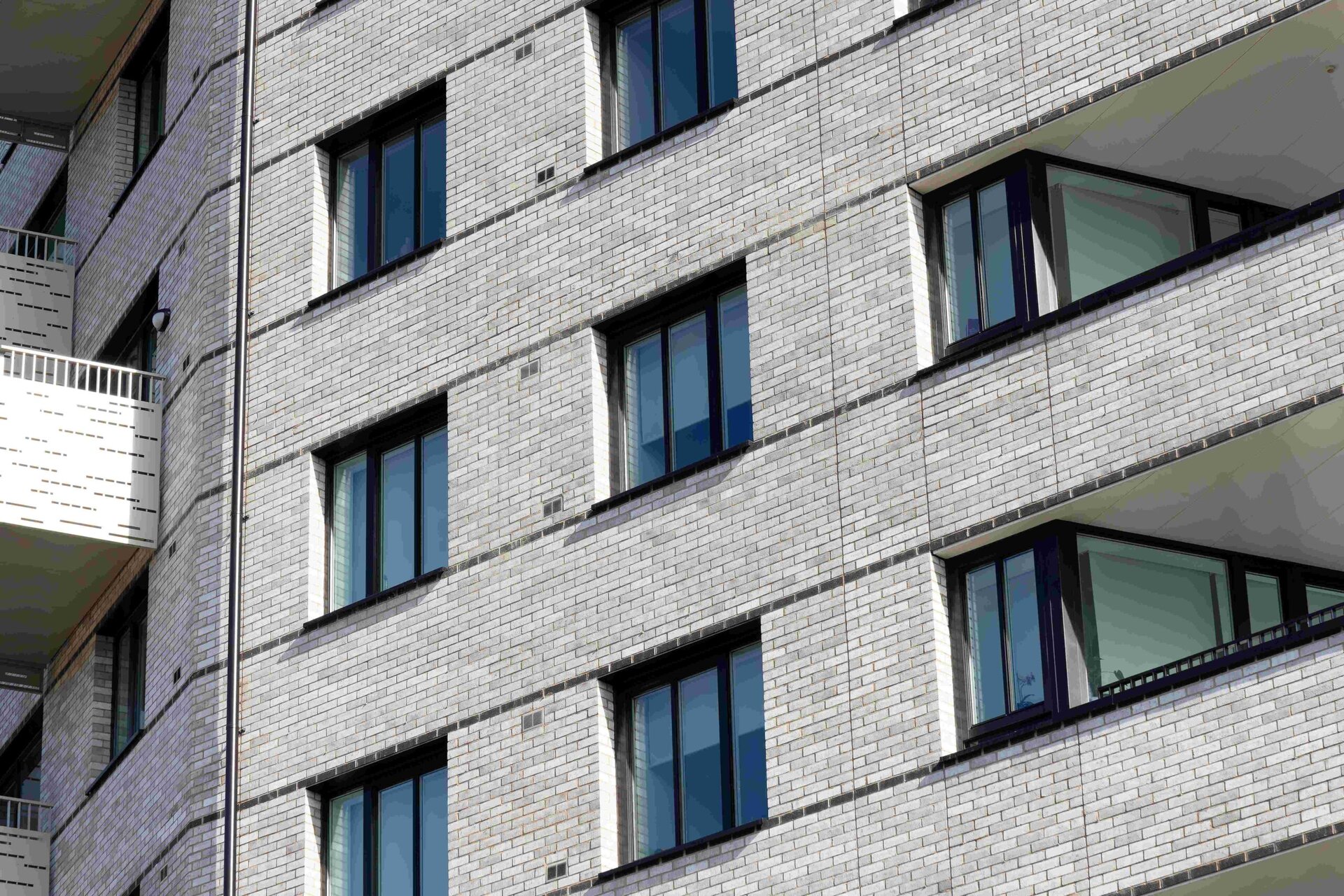
Textured and Imperfect Finishes
The polished brickwork of recent years is giving ground to something rougher around the edges. Tumbled and handmade-look bricks, with softened corners and subtly irregular faces, are a favourite among many architects and builders.
These bricks catch the light differently depending on the time of day, lending buildings a handcrafted, almost bespoke quality. For those drawn to the character of older properties but building anew, this kind of finish offers a neat compromise: the warmth of heritage brickwork without having to source reclaimed materials.
Sculptural Brickwork and Movement
Brick is not confined to flat, static façades. Architects are experimenting with rotating, folding and mirroring individual bricks to create surfaces that feel alive with movement. One striking example reinterpreted traditional decorative mouldings by folding brickwork on itself, both at a large architectural scale and through the subtle rotation of single bricks.
The resulting pattern changes depending on the angle it's viewed from, turning what might once have been a plain wall into something closer to sculpture. This kind of manipulation is popular on renovation projects, where a modest budget can still deliver real visual impact.
Warm, Earthy Colour Palettes
After a period dominated by cool greys, brick's natural warmth is back. Soft clay, muted terracotta, olive and ochre tones paired with masonry's organic texture, feeding into the broader quiet luxury and warm minimalism movements that favour understated sophistication over bold statements.
Classic red brick, too, is enjoying a resurgence, as homeowners move away from painted-white exteriors in favour of authentic, natural tones with subtle variation in shade. At the darker end of the spectrum, charcoal and near-black brick continue to lend buildings a sleek, contemporary edge, particularly when paired with black window frames or trim.
Brick Moving Indoors
Another notable trend in 2026 is brick being used on the inside of the home. It's being used in laundry rooms, kitchens and hearth areas, with herringbone brick flooring, feature walls behind kitchen ranges, and fireplaces designed to echo the exterior brickwork, all helping to create a sense of continuity throughout a property.
Some architects are pushing this further by using thin-cut brick veneer sparingly on ceilings to define a space and introduce an unexpected industrial or natural texture overhead, a technique particularly suited to kitchens and dining areas.
Sustainability and Material Permanence
Finally, brick's practical uses are being appreciated by architects who are paying close attention to carbon, energy efficiency and long-term durability. Once in place, a well-built brick wall can last for generations with minimal upkeep, making it an appealing choice at a time when longevity is valued over short-term trend-chasing. There appears to be a move towards natural, timeless materials over fleeting design fads.
Taken together, these trends suggest a material coming full circle. Brick in 2026 is being valued both for what it can do structurally and for the warmth, texture and character it brings to a building.
Selecting the Right UK Bricks for Your Project
Whichever type of brick you’re looking for, Modular Clay Products can help you find the ideal one for your commercial building or extension. We have a Brick Finder tool on this website, where, to save you from scrolling through our thousands of brick pages, you can narrow down your selection by choosing the brick colour, texture, and speciality.
Moreover, you can directly compare your selection with another one to view all the specifications in a single window. This tool has helped our clients decide on which brick to use for their building, which we can then tailor to find the most suitable, cost-effective and aesthetically pleasing solution for them. Contact us to learn more.