
Everything You Need to Know About Roman Bricks
Growing numbers of architects and designers are using various brick sizes, beyond the standard brick size of 215 x 102.5 x 65mm, to give their commercial projects a unique aesthetic.
One of the most diverse types of brick is Roman brick. This guide will delve deeper into Roman bricks, how they’re different from standard UK bricks and why they’re some of the most sought after facing bricks used in architecture.
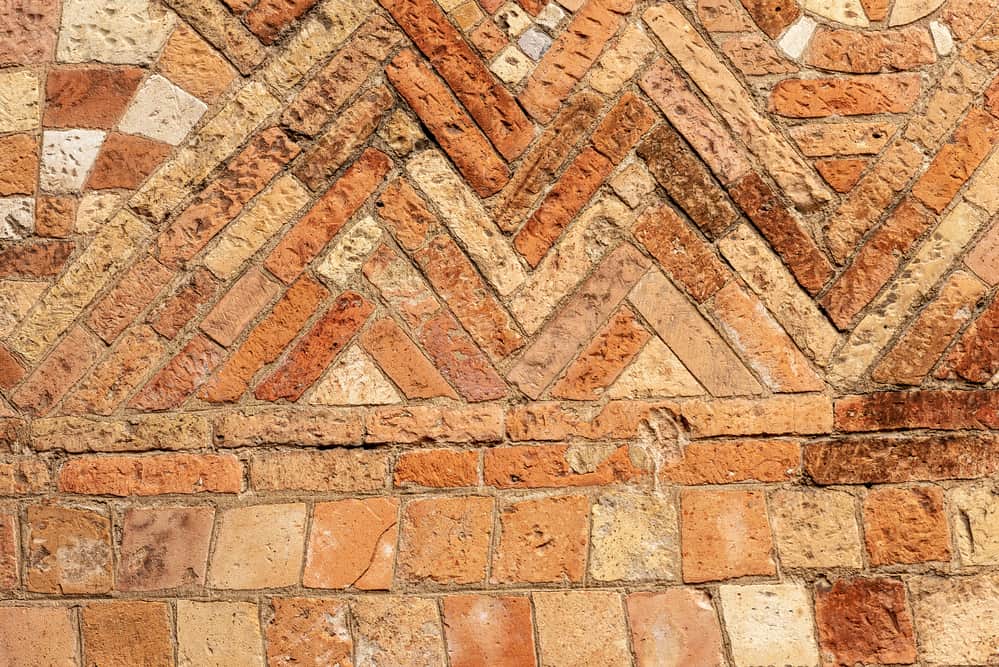
What are Roman Bricks?
Roman brick can refer to a brick type used during Ancient Roman times, spread to the eventually-conquered lands. It can also refer to a modern type of clay brick that takes inspiration from these archaic products.
In both cases, a Roman brick size will typically be longer and slightly flatter than modern, standard clay facing bricks. Their place in contemporary architecture is not without reason; Roman bricks provide a distinct look to buildings, helping them look vastly different from other commercial brick structures. Despite containing the same raw materials, Roman bricks provide unique appearances that help catch the eye.
History of Roman Bricks
Modern Roman bricks are used extensively in modern commercial architecture, but how far back can they be traced?
The earliest use of these brick types dates back to times of the Roman Empire, unsurprisingly enough, given the brick products’ name. Indeed Ancient Roman bricks are some of the earliest examples of mass-manufactured and supplied bricks in the world. It could be argued that the Romans paved the way for mass brick manufacturing and brick supplying.
Roman bricks took the place of sun-dried mud bricks, later being used in larger quantities using kilns. The Romans themselves could produce bricks at scale, which led to an increase in public construction projects using this material.
This was made easier by introducing mobile kilns, which could be transported across regions. Roman brick stamps would be from the specific legion that supervised that particular batch’s production.
As a result of this mass production, these bricks have firmly established a historical place that inspired many modern practices.
The Rise of Modern Roman Brick Products
It’s clear to see how ahead-of-the-times the Romans were judging by their ability to transport and use bricks so extensively. That said, after the Empire fell, Roman brick production took a hit, but there was a market for reusing them during Medieval times.
As far as modern Roman bricks are concerned, this resurgence began in the early 20th Century as a distinct alternative to modern clay bricks. While UK bricks tend to have a specific dimension and size, it’s never been as explicitly black-and-white for Roman bricks, with these products merely being distinguished by their greater length and shallower depth.
As a rough guide, Roman brick sizes might sit somewhere between 400mm long, 100mm wide and 40mm deep. This can vary, just as much as finding products with unique brick textures and non-standard brick colours.
These days, many brick manufacturers and brick suppliers can source Roman bricks in a wide range of brick lengths, heights, and depths.
Why Use Roman Bricks
- These bricks create a unique design and aesthetic for any built environment.
- It’s possible to find Roman bricks in numerous colours and textures, offering a unique look for each project.
- They’re undergoing another resurgence in popularity.
- They complement any desired theme, whether old-fashioned or modern.
- They’re great at accentuating linear and horizontal aspects of buildings
Roman Bricks are Also Known as Long Format Bricks
You can also refer to Roman bricks as long format bricks. Some other manufacturers call them Megaline bricks as well.
That said, long format bricks (or long bricks for short) is more of a blanket term to describe longer bricks.
More and more architects are beginning to recognise the value of innovative products like long format bricks and blocks, giving a building an old-school, vintage look but with a modern twist.