
Biomimicry: Integrating Nature into Building Design
Bricks and Geological Inspiration
One of the earliest examples of biomimicry in architecture can be found in the humble brick.
The art of brickmaking dates back to ancient civilisations, where early humans discovered that clay and sedimentary rocks could be moulded and fired to create durable building materials.
These natural geological formations, formed through millennia of pressure and heat, inspired the creation of one of the most pervasive construction elements in the world.
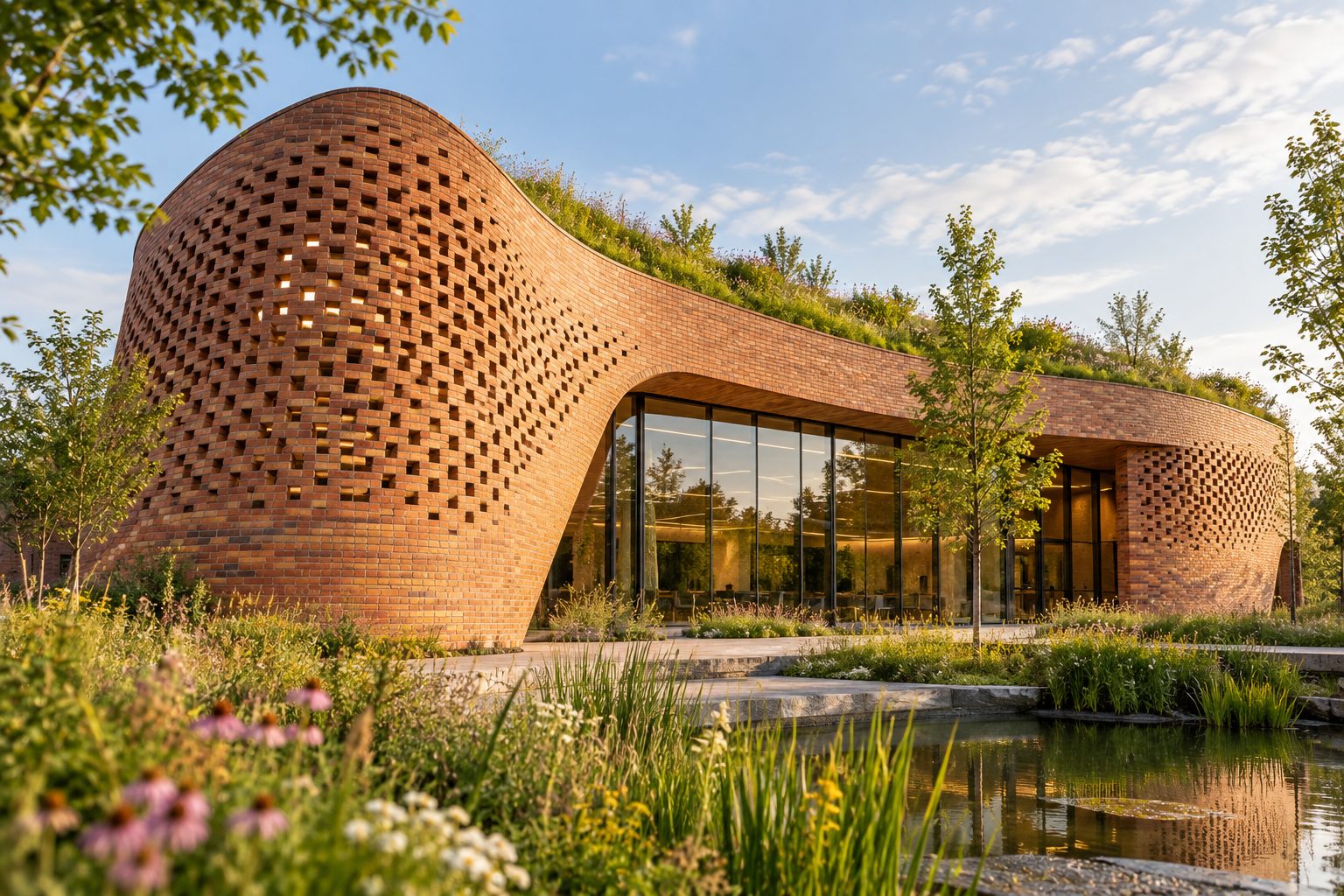
Learning from Nature's Architectural Marvels
As our understanding of nature deepens, architects and engineers are turning to more complex biological systems for inspiration. Natural structures like honeycombs, trees, and animal bones are marvels of efficient design, optimised to maximise strength while minimising material usage.
By replicating these designs, architects can create buildings that are stronger, lighter, and more sustainable than their conventional counterparts.
Energy Efficiency Lessons from the Natural World
Take, for example, the Eastgate Centre in Harare, Zimbabwe. Inspired by the self-cooling properties of termite mounds, the building uses a passive ventilation system that circulates air through a series of chimneys and underground pipes. This innovative design, modelled after nature's own solutions, has reduced the building's energy consumption for heating and cooling by a staggering 90%.
Biomimetic Brickwork: Patterns, Textures, and Nature's Influence
Researchers are exploring ways to replicate the micro-patterns found on leaves, lotus plants, and other natural surfaces to create self-cleaning, water-repellent, and air-purifying building materials.
These biomimetic bricks and coatings can reduce the need for harsh chemicals and improve indoor air quality, creating healthier living and working environments.
Harmonising the Built Environment with Ecosystems
As urban development continues to encroach on natural habitats, biomimicry offers a path toward harmonising the built environment with local ecosystems. By incorporating green spaces, wildlife corridors, and sustainable materials into urban planning, cities can become more resilient and better integrated with their surroundings.
The Cory Environmental Municipal Recycling Facility in London is an excellent example of this approach. Designed to blend seamlessly into its natural surroundings along the River Thames, the facility features a living roof covered in native wildflowers and grasses that provide valuable habitat for local wildlife.
The building's curved form and perforated aluminium cladding were inspired by nature's efficient structural designs, minimising material usage while maximising strength. Additionally, the facility incorporates biomimetic principles in its water management system, which uses reed beds and wetlands to naturally filter and clean water runoff before returning it to the river.
Selecting the Right UK Bricks for Your Project
Looking to make a lasting impact with your next architectural venture? Click here to discover a plethora of resources that will guide you in shaping communities for a brighter tomorrow. If you look at our brick selector tool, you can browse our vast collection of bricks, isolating specific products based on their colour, texture and finish. Allowing you to find the perfect material to showcase the light and colour of your buildings.